


Presentations

View All Presentations


BREAKOUT ROOM 2 – Reframing the Problem of Disability Employment to Enable Practice Improvement

In a system as complex as disability employment, how do we improve practice, responsiveness, and impact? This session offers a discussion about how practice change can be enabled when we put some central assumptions under the microscope. A panel of experts will share their perspectives on how service delivery and impact can be improved through often subtle shifts in perspective, intentional reflexivity and engaging in dialogue with the communities we serve. The session will discuss:
• How to understand key “leverage points” for system change;
• How to reframe the central problems of disability employment;
• How to “dance within the system” to cultivate kinder and more collaborative service cultures.

The panel of experts will illustrate these points with reference to their recent work for their Centre for Inclusive Employment. Dr Michael Healy, Knowledge Mobilisation Lead in the Centre for Inclusive Employment will share some of the conceptual and ethical foundations of the centre’s practice change strategy. Dr Samantha Cooms, senior lecturer in the QUT School of Business will share insights from her evidence review of cultural responsiveness for First Nations people. Associate Professor Sue Olney of the University of Melbourne will share insights from her evidence review of responsive practice for older people with acquired disability. Together they will argue that, even within the constraints of a complex system such as disability employment, there is room for kinder, more responsive, and more person-centred practice.

Presenters

Michael-Healy-profile-pic

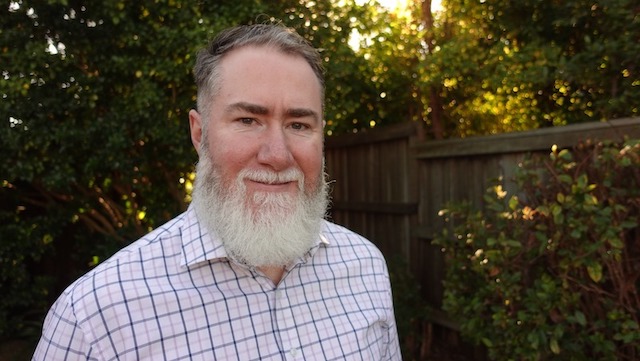
Dr Michael Healy

Research Fellow, Knowledge Mobilisation Lead, Swinburne University

Dr. Michael Healy is the knowledge mobilisation lead for the Centre for Inclusive Employment. He is a recognised leader in the field of career development and employability. An award-winning educator and researcher, his work focuses on promoting effective and accessible careers and employability learning in schools, universities, and community services. Michael combines scholarly expertise with practical experience gained from his 15 years of professional experience, a PhD in careers and employability learning, and high quality research publications.

Michael’s past roles include National Career Education Manager for myfuture.edu.au, Australia’s national government funded career information service for schools, and Head of Careers and Employability for careerED Academy, a training provider for career development practitioners.

Michael has received numerous awards for excellence, including: the Career Development Association of Australia Award for Excellence in Leadership (2024), the Asia-Pacific Career Development Association Award for Outstanding Educator of Career Development Professionals (2023), and the Career Development Association of Australia Award for Excellence in Research (2022).

index_eis

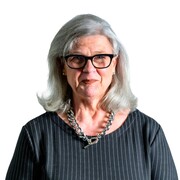
A/Prof Sue Olney

Associate Professor, University of Melbourne

Sue Olney is an Associate Professor in the School of Social and Political Sciences at the University of Melbourne. Her research examines policy design and implementation, and impacts of policy reform on individuals, communities, service providers and bureaucrats, with a focus on disability services, employment, and welfare-to-work service systems. Sue has worked in universities, government and the not-for-profit sector, and been involved in a range of cross-government, cross-sector and interdisciplinary research projects, government and community sector initiatives, committees and working groups to promote access and equity in employment, education, training, health and disability services in Australia and internationally.

Samantha Cooms 2

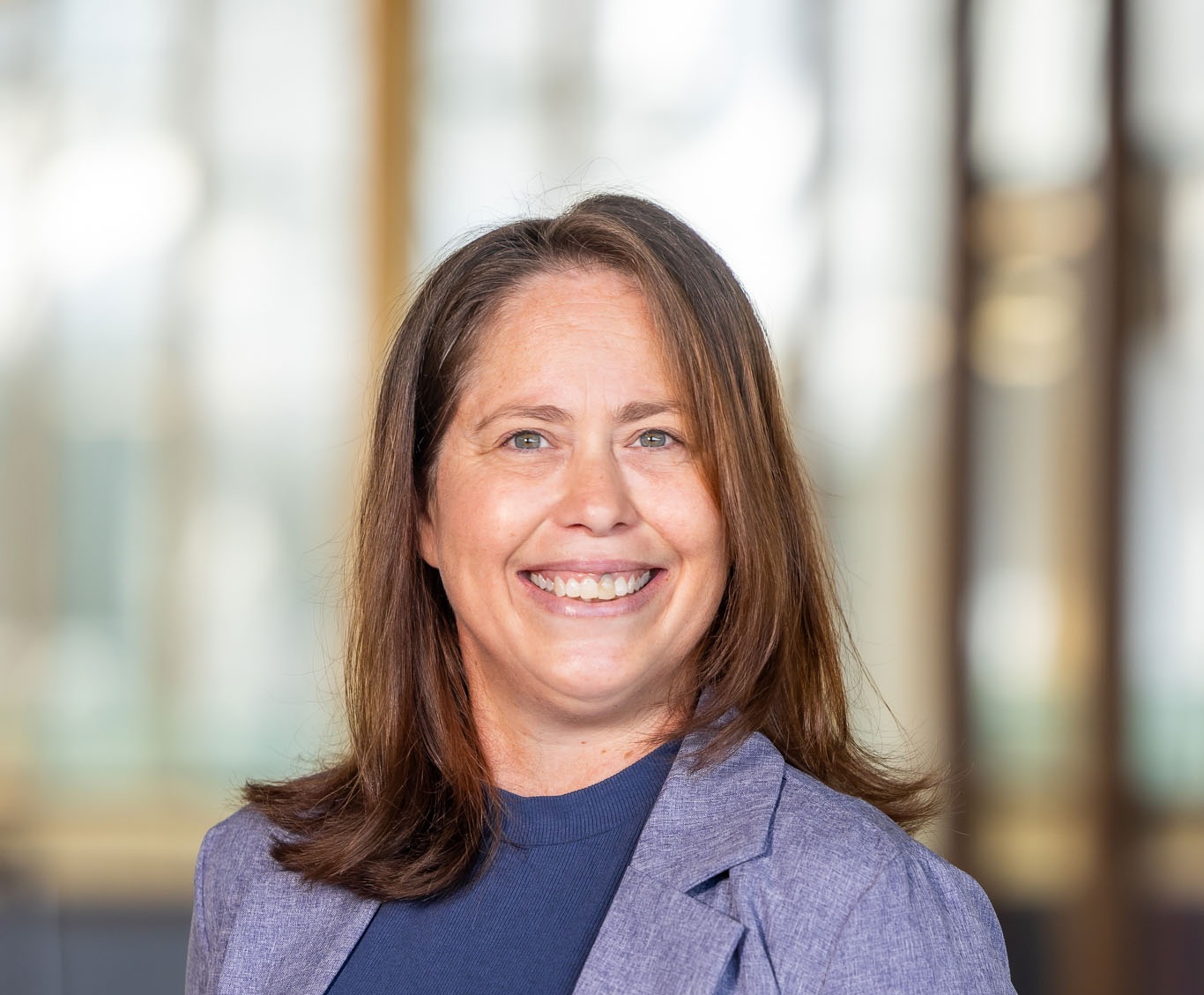
Dr Sam Cooms

Senior Lecturer, University of Queensland

Dr Samantha Cooms is a Noonuccal Quandamooka woman and Senior Lecturer at the University of Queensland Business School. Her research focuses on Indigenous leadership, cultural responsiveness, and the role of Indigenous knowledges in shaping more equitable and culturally safe systems, particularly within the disability sector. Samantha’s work centres Indigenous ontologies and relational approaches to leadership, challenging deficit-based models and advancing strengths-based, community-led perspectives. She has extensive experience working across academia, government, and community sectors, and is committed to research that delivers meaningful outcomes for Aboriginal and Torres Strait Islander peoples.